
Eunice Newton Foote Biography: Pioneering scientist and climate researcher who made groundbreaking discoveries on greenhouse gases and climate change in the 19th century.The birth anniversary of Eunice Newton Foote, the pioneering scientist and climate researcher, is celebrated on July 17th each year.
| Stage | Description | Time Period |
|---|---|---|
| Birth | Eunice Newton Foote is born in Goshen, Connecticut | July 17, 1819 |
| Early Life and Education | Foote displays curiosity and receives a comprehensive education emphasizing mathematics and science | Childhood and Adolescence |
| Academic Journey | Foote pursues further education, enrolling in institutions offering scientific training | Adolescence and Early Adulthood |
| Marriage | Eunice Newton Foote marries Elisha Foote, an attorney | 1841 |
| Scientific Breakthroughs | Foote conducts groundbreaking experiments on the effects of gases, particularly carbon dioxide, on the atmosphere | Mid-19th century |
| Contributions | Foote’s discoveries contribute to the understanding of greenhouse gases and their role in climate change | Mid-19th century |
| Challenges and Achievements | Foote overcomes gender barriers and achieves recognition in a male-dominated scientific community | Mid-19th century |
| Legacy | Foote’s contributions inspire future generations of women in science | Ongoing |
| Death | Eunice Newton Foote passes away | September 30, 1888 |

Eunice Newton Foote Biography
Contents
- 1 Eunice Newton Foote Biography
- 2 FAQ
- 2.0.0.1 Q1: Who was Eunice Newton Foote?
- 2.0.0.2 A1: Eunice Newton Foote was a pioneering scientist and climate researcher known for her groundbreaking work on greenhouse gases in the 19th century.
- 2.0.0.3 Q2: What were Eunice Newton Foote’s contributions to climate research?
- 2.0.0.4 A2: Foote conducted experiments that demonstrated the role of carbon dioxide in trapping heat, laying the foundation for understanding greenhouse gases and their impact on climate change.
- 2.0.0.5 Q3: What challenges did Eunice Newton Foote face as a female scientist?
- 2.0.0.6 A3: Foote faced gender barriers in a male-dominated field, hindering widespread recognition of her work despite its significance.
- 2.0.0.7 Q4: How did Eunice Newton Foote’s experiments on gases influence the understanding of climate change?
- 2.0.0.8 A4: Foote’s experiments showed that carbon dioxide acts as a “blanket” around the Earth, absorbing and emitting heat, which contributed to the understanding of greenhouse gas effects.
- 2.0.0.9 Q5: What was Eunice Newton Foote’s marital status?
- 2.0.0.10 A5: Foote was married to Elisha Foote, who supported her scientific pursuits throughout her career.
- 2.0.0.11 Q6: What is Eunice Newton Foote’s legacy?
- 2.0.0.12 A6: Foote’s pioneering work inspires future generations of women in science and highlights the importance of inclusivity and equality in scientific pursuits.
- 2.0.0.13 Q7: What was the timeframe of Eunice Newton Foote’s research?
- 2.0.0.14 A7: Foote conducted her groundbreaking research on climate in the mid-19th century.
- 2.0.0.15 Q8: How did Eunice Newton Foote’s discoveries contribute to modern understanding of climate change? A8: Foote’s insights on the relationship between greenhouse gases and atmospheric temperature laid the groundwork for modern research on climate change and its causes.
- 2.0.0.16 Q9: What is Eunice Newton Foote’s lasting impact on climate science? A9: Foote’s discoveries helped shape the understanding of climate dynamics and the role of greenhouse gases, paving the way for future advancements in the field.
- 2.0.0.17 Q10: When did Eunice Newton Foote pass away?
- 2.0.0.18 A10: Eunice Newton Foote passed away on September 30, 1888.
Early Life and Education of Eunice Newton Foote
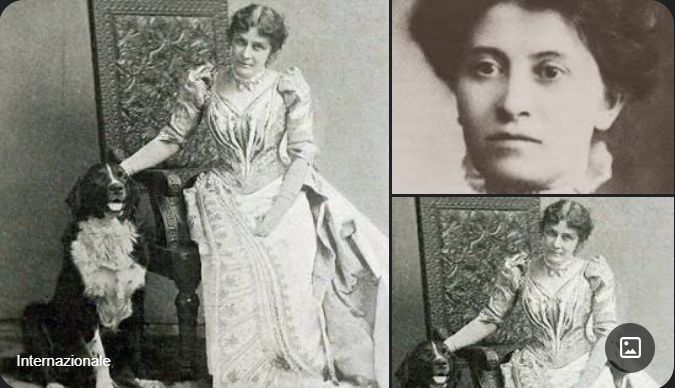
Biography of Eunice Newton Foote Eunice Newton Foote, a trailblazing scientist and climate researcher, was born on July 17, 1819, in Goshen, Connecticut. Her passion for scientific inquiry and determination to challenge societal norms led her on a remarkable journey of discovery.
Early Years and Education of Eunice Newton Foote From an early age, Foote exhibited a natural curiosity and a deep interest in the natural world. Recognizing her intellectual potential, her parents provided her with a comprehensive education, emphasizing mathematics and science. Foote’s formative years laid the foundation for her future scientific endeavors.
Childhood and Academic Journey of Eunice Newton Foote Driven by her insatiable thirst for knowledge, Foote pursued further education and enrolled in institutions that offered rigorous scientific training. Through her studies, she honed her skills in experimental techniques and developed a profound understanding of the scientific method. Foote’s academic journey propelled her toward groundbreaking contributions in climate research.
Marriage and Personal Life of Eunice Newton Foote
Eunice Newton Foote’s Marriage to Elisha Foote In 1841, Foote married Elisha Foote, an attorney, and together they embarked on a journey of love, partnership, and support. Elisha recognized and respected his wife’s scientific ambitions, providing her with unwavering encouragement throughout her career.
Personal Life and Family of Eunice Newton Foote Foote’s personal life was intertwined with her scientific pursuits. She balanced her roles as a wife, mother, and scientist with dedication and perseverance. Her family served as a source of strength and inspiration, fostering an environment conducive to her groundbreaking research.
The Supportive Role of Elisha Foote in Eunice Newton Foote’s Scientific Pursuits Elisha Foote played a crucial role in Eunice’s scientific endeavors, offering unwavering support and encouragement. His understanding of the importance of her work and his belief in her abilities enabled Eunice to overcome the obstacles she faced as a woman in a male-dominated field.
Scientific Breakthroughs and Contributions by Eunice Newton Foote
Eunice Newton Foote’s Groundbreaking Experiments on Climate Foote’s pioneering experiments focused on the effects of gases, particularly carbon dioxide, on the Earth’s atmosphere. Through meticulous observations and measurements, she made a groundbreaking discovery: the ability of carbon dioxide to absorb and emit heat, effectively acting as a “blanket” around the Earth.
Contributions of Eunice Newton Foote to the Study of Greenhouse Gases Foote’s research laid the foundation for understanding the role of greenhouse gases in climate change. Her insights into the properties of carbon dioxide and its influence on atmospheric temperature set the stage for future advancements in climate science.
Eunice Newton Foote’s Discoveries on Carbon Dioxide and Atmospheric Effects Foote’s discoveries on the impact of carbon dioxide on the atmosphere were groundbreaking. Her work challenged conventional wisdom and provided a critical understanding of the relationship between greenhouse gases and climate dynamics.
Challenges and Triumphs of Eunice Newton Foote
Overcoming Gender Barriers: Eunice Newton Foote in a Male-Dominated Field As a female scientist in the 19th century, Foote faced significant challenges and gender barriers. She defied societal expectations and fought for recognition in a field predominantly occupied by men, making her achievements all the more remarkable.
The Struggles and Achievements of Eunice Newton Foote as a Female Scientist Foote’s journey was marked by struggles and triumphs. She persevered in the face of adversity, challenging the status quo and making significant contributions to climate research. Her accomplishments opened doors for future generations of women in science.
Eunice Newton Foote’s Legacy: Inspiring Future Generations of Women in Science Foote’s legacy extends beyond her scientific contributions. Her determination and resilience continue to inspire and empower women in the field of science, serving as a reminder of the importance of gender equality and inclusivity.
Recognition and Legacy
Rediscovering Eunice Newton Foote: Her Impact on Climate Science Foote’s groundbreaking work on climate science was overshadowed for many years. However, in recent times, her contributions have gained recognition, highlighting her instrumental role in advancing our understanding of climate change.
Eunice Newton Foote’s Influence on Modern Understanding of Climate Change Foote’s discoveries laid the groundwork for modern research on climate change and its causes. Her insights provided a crucial link between greenhouse gases and global warming, influencing subsequent scientific studies and shaping the understanding of our changing planet.
Honoring the Pioneering Work of Eunice Newton Foote in Climate Research The pioneering work of Eunice Newton Foote deserves recognition and appreciation. Her dedication to scientific inquiry and her groundbreaking contributions to climate research have left an indelible mark, reminding us of the importance of curiosity, perseverance, and the pursuit of knowledge.
FAQ
Q1: Who was Eunice Newton Foote?
A1: Eunice Newton Foote was a pioneering scientist and climate researcher known for her groundbreaking work on greenhouse gases in the 19th century.
Q2: What were Eunice Newton Foote’s contributions to climate research?
A2: Foote conducted experiments that demonstrated the role of carbon dioxide in trapping heat, laying the foundation for understanding greenhouse gases and their impact on climate change.
Q3: What challenges did Eunice Newton Foote face as a female scientist?
A3: Foote faced gender barriers in a male-dominated field, hindering widespread recognition of her work despite its significance.
Q4: How did Eunice Newton Foote’s experiments on gases influence the understanding of climate change?
A4: Foote’s experiments showed that carbon dioxide acts as a “blanket” around the Earth, absorbing and emitting heat, which contributed to the understanding of greenhouse gas effects.
Q5: What was Eunice Newton Foote’s marital status?
A5: Foote was married to Elisha Foote, who supported her scientific pursuits throughout her career.
Q6: What is Eunice Newton Foote’s legacy?
A6: Foote’s pioneering work inspires future generations of women in science and highlights the importance of inclusivity and equality in scientific pursuits.
Q7: What was the timeframe of Eunice Newton Foote’s research?
A7: Foote conducted her groundbreaking research on climate in the mid-19th century.
Q8: How did Eunice Newton Foote’s discoveries contribute to modern understanding of climate change? A8: Foote’s insights on the relationship between greenhouse gases and atmospheric temperature laid the groundwork for modern research on climate change and its causes.
Q9: What is Eunice Newton Foote’s lasting impact on climate science? A9: Foote’s discoveries helped shape the understanding of climate dynamics and the role of greenhouse gases, paving the way for future advancements in the field.
Q10: When did Eunice Newton Foote pass away?
A10: Eunice Newton Foote passed away on September 30, 1888.
up board or up scert text books की सभी कक्षाओं के सभी विषयों के सोलूशन्स के लिए sarkarischools.in वेबसाइट पर आपका स्वागत है।